

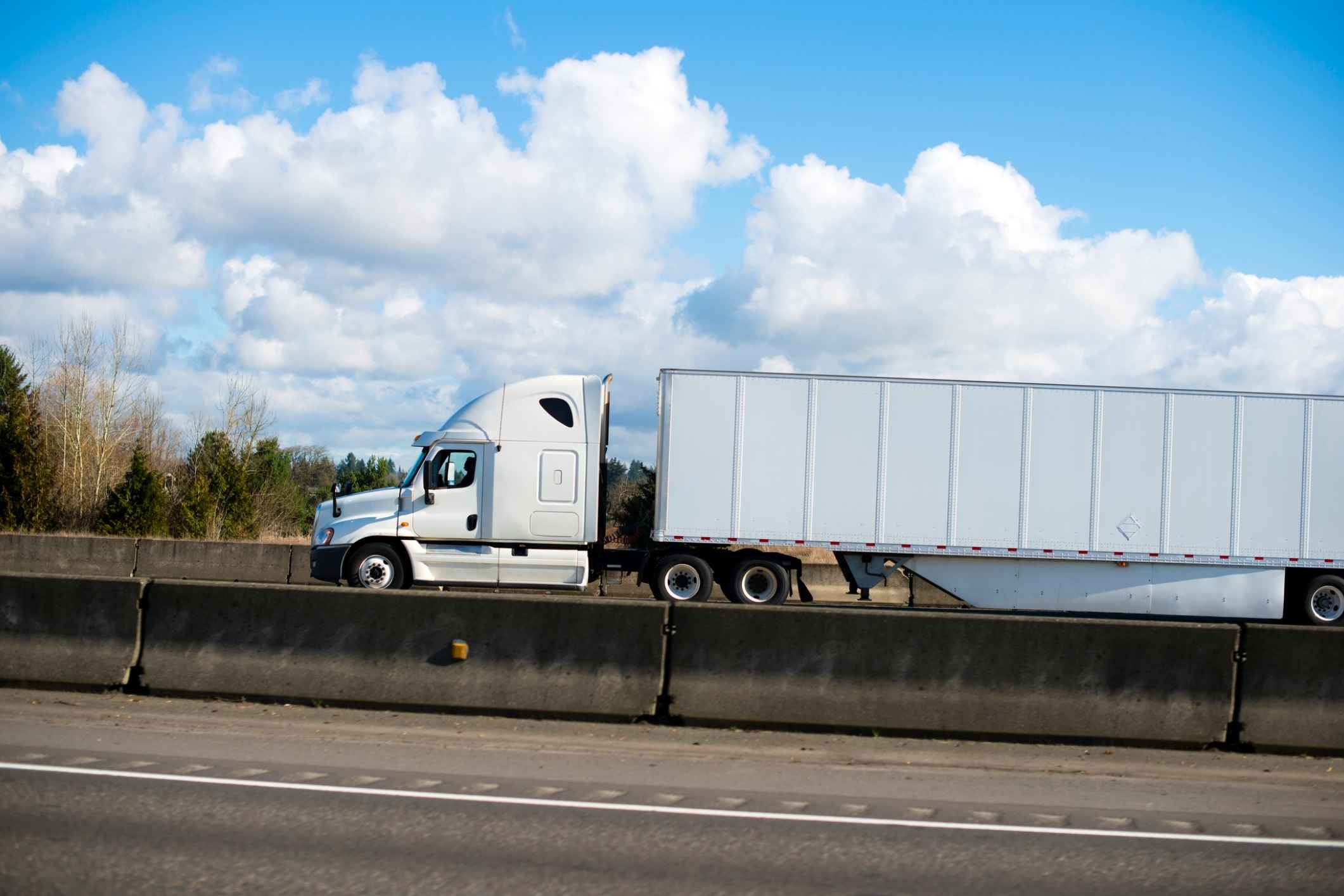
Commercial trucks move through Dallas around the clock. They rumble down the same highways you use to get to work, pick up your kids, and run errands on the weekend. When one of those 80,000-pound rigs is driven by someone tired, rushed, or careless, the people sharing the road pay the price.
 Dallas sees thousands of commercial vehicle crashes every year, and certain corridors show up in the data over and over again. The most dangerous trucking routes in Dallas concentrate the worst combinations of speed, volume, construction, and congestion into stretches where one bad decision can cause catastrophic damage.
Read on to learn what are the most dangerous trucking routes in Dallas that put drivers at risk for accidents.
At Freese & Goss, we represent people whose lives were upended by truck crashes on these very roads. With over 77 years of combined experience and more than $1 billion recovered for injured clients, we know how to hold trucking companies and their insurers accountable. Call (214) 761-6623 or fill out our online form for a free consultation.
Why Is Trucking So Dangerous in Dallas?
Dallas sits at the crossroads of several major interstates, which means commercial freight traffic pours through the city from every direction. Add in aggressive drivers, round-the-clock construction zones, and weather that can turn a dry highway into a slick one within minutes, and you have a recipe for serious crashes.
Truck drivers face pressure from dispatchers to meet tight delivery windows. That pressure leads to speeding, skipped rest breaks, and shortcuts on inspections. Meanwhile, trucking companies sometimes cut corners on driver training, vehicle maintenance, and cargo loading to protect their bottom line.
The result falls on everyone else. Passenger vehicles are no match for a fully loaded semi, and crashes involving commercial trucks routinely leave victims with traumatic brain injuries, spinal damage, amputations, and worse. Families are often left grieving losses that should never have happened.
Which Roads Are the Most Dangerous Parts of Dallas for Trucks?
Certain highways account for a disproportionate share of truck-related crashes. If you drive in Dallas, these are the corridors to watch closely.
I-35E
Interstate 35E runs through the heart of Dallas, connecting with Interstate 20 and Highway 67. The risks on I-35E stem from heavy traffic volume, especially during rush hours, and the dense urban congestion surrounding downtown.
Frequent merging and diverging of traffic, combined with high-speed travel, makes this corridor a common site for trucking crashes when drivers aren’t paying attention or ignore traffic laws. Ongoing highway construction activity and bumper-to-bumper rush hour traffic push the risk even higher.
I-20 (The “Death Trap” Corridor)
Interstate 20 runs east to west across the southern portion of Dallas, carrying a constant stream of commercial freight between Fort Worth and points east. The stretch through southern Dallas has earned its grim nickname from the sheer number of fatal crashes reported year after year.
High speeds, long stretches without lighting, and a mix of local commuters and long-haul truckers create dangerous conditions, particularly at night. Rear-end collisions are frequent, and the highway’s wide lanes encourage drivers to push the speed limit well beyond what’s safe when sharing the road with 18-wheelers.
U.S. Highway 75 (Central Expressway)
Central Expressway is one of the busiest commuter routes in the city, running north from downtown through Uptown, Knox-Henderson, and up into Plano. Commercial trucks share this corridor with thousands of daily commuters, which means lane changes happen fast and often.
Exits come up quickly, and the ramps are tight for large trucks. When a semi needs to move two lanes to reach an off-ramp, the risk of sideswipes and merge collisions climbs sharply. Stop-and-go traffic along US-75 also leads to rear-end crashes, and a fully loaded truck needs hundreds of feet to stop safely.
I-30
Interstate 30 connects Dallas and Fort Worth, intersecting with major routes including Interstate 20 and Highway 360. The main dangers on I-30 come from high traffic volume and the constant mix of fast-moving vehicles and large trucks.
Frequent lane changes and closely spaced exits throughout this heavily traveled interstate corridor add to the complexity and risk for everyone on the road. Near downtown Dallas, abrupt slowdowns meet high-speed traffic, which is one of the main reasons I-30 routinely ranks among the deadliest roads in the region. This corridor represents one of the most dangerous truck routes in Dallas for both commercial drivers and the passenger vehicles around them.
I-45
Interstate 45 runs from Dallas to Houston, crossing through urban areas and intersecting with several major highways, including Interstate 20 and Interstate 10. The long stretch of I-45 poses a range of risks. In urban areas, heavy traffic volume that includes a high share of daily commuters increases the likelihood of crashes.
Weather conditions, particularly in the hurricane-prone Houston area to the south, also contribute to dangerous driving conditions for truckers during much of the year. Fatigue is a recurring factor on I-45 because of how long the route is.
Route 175
Route 175 is a state highway connecting Dallas to Jacksonville, intersecting with US 69 and US 175. The primary danger of Route 175 is that it is less developed than interstate highways.
Sharp bends, worn road surfaces, and fewer lanes all increase the risk of trucking crashes. On top of that, sections of this route have inadequate lighting and severely limited visibility, making nighttime driving especially hazardous when a commercial truck is involved.
If a commercial truck crash has left you injured or taken a loved one from you, you need a firm that knows how these cases work.
Freese & Goss has recovered more than $1 billion for clients, and our team is ready to investigate what happened and hold the right parties accountable. Speak with a Dallas truck accident lawyer now at (214) 761-6623 or message us online.
Common Causes of Truck Accidents in Dallas
Now that you know what are the most dangerous truck routes in Dallas, let’s look at the most common causes of truck accidents.
They’re often the result of a variety of factors that compromise safety on the roads. Many involve driver error. Others stem from environmental conditions or mechanical failures. Common examples include:
- Truck drivers speeding to meet tight delivery windows;
- Fatigued drivers pushing past federal hours-of-service limits;
- Distracted driving behind the wheel of an 80,000-pound rig;
- Impaired driving from alcohol, drugs, or prescription medication;
- Aggressive driving and tailgating in heavy traffic;
- Reckless lane changes without checking blind spots;
- Failure to yield the right of way at intersections and merges;
- Poorly trained drivers put behind the wheel too soon;
- Trucking companies cutting corners on driver screening and hiring;
- Pressure from dispatchers that forces drivers to skip rest breaks;
- Skipped or rushed pre-trip inspections;
- Brake failure from worn or defective components;
- Tire blowouts from underinflation or excessive wear;
- Improperly loaded or unsecured cargo that shifts in transit;
- Defective truck parts and equipment;
- Unfamiliarity with Dallas routes and low-clearance roadways;
- Unsafe driving during fog, heavy rain, or icy conditions; and
- Jackknife crashes caused by sudden braking.
How to Stay Safer Around Trucks on Dallas Roads
You can’t control what a truck driver does, but you can control how you drive around them. A few habits make a real difference on the corridors listed above.
- Stay out of the no-zones. Commercial trucks have massive blind spots directly behind the trailer, along both sides of the cab, and immediately in front of the bumper. A good rule: if you can’t see the driver’s mirrors, the driver can’t see you. Pass quickly and never linger alongside a semi.
- Give trucks space to stop. A fully loaded 18-wheeler needs far more distance to come to a stop than a passenger car. On I-30 and US-75, where sudden slowdowns are routine, leave a larger cushion behind any truck you’re following. Four seconds of following distance is a good baseline, more in rain.
- Pass with purpose. On I-35E and I-45, lane changes need to be decisive. Drifting slowly past a truck or cutting back in too soon creates crash risk. Signal early, commit to the pass, and wait until you can see the entire truck in your rearview mirror before moving back over.
- Be ready for wide turns. Trucks often swing wide to make right turns, especially on tight frontage road exits. Never try to squeeze up the right side of a truck with a right turn signal on.
- Adjust for conditions on Route 175 and I-20 at night. Lower lighting, worn pavement, and fewer lanes mean less room for error. Reduce your speed, turn up your headlights, and avoid pulling alongside a truck through curves.
- Put the phone down. Distracted driving kills, and doing it within feet of a truck is a terrible gamble.
Get Help from Experienced Dallas Truck Accident Attorneys
A truck crash can change the course of your life in seconds. Medical bills pile up, time away from work stretches on, and the trucking company’s insurance team is already working to protect the company, not you.
The team at Freese & Goss is ready to stand with you. With over 77 years of combined experience and more than $1 billion recovered for injured clients, we know how to investigate commercial truck crashes, preserve critical evidence, and build the kind of case that gets results. Clients represented by an attorney recover nearly 3.5 times more compensation than those who go it alone, according to Martindale-Nolo research.
Contact us at (214) 761-6623 for a free, no-pressure consultation with a Dallas truck accident attorney today.
Proudly Representing Dallas Residents
Related Resources
If you found this truck accident content helpful, please view the related topics below:
- Dallas Truck Accident Lawyer
- How Long Do I Have to Sue After a Truck Accident in Dallas?
- Garland Truck Accident Lawyer
Contact us if you have specific questions on the matter or if you’d like to schedule a free consultation.


