
Dallas Car Accident Statistics
Driving through the Dallas-Fort Worth area often feels like a real test of patience. Dallas is now ranked the 17th most congested city in the U.S. Midday traffic has surged,…
Kratom is often sold as a “natural” answer to pain, anxiety, or opioid addiction. It’s easy to find on store shelves, at gas stations, and online, and it’s frequently marketed as safe because it comes from a plant.
 However, this substance is not FDA-approved, and yet it has been pushed with little warning about the very real risks. People have suffered heart attacks, organ failure, and fatal overdoses after using Kratom exactly as advertised. These injuries and deaths didn’t come out of nowhere. With proper testing, honest warnings, and responsible oversight, lives could have been saved.
With more than $1 billion recovered and over 77 years of combined experience, Freese & Goss fights for people who were never given a fair choice. We are here to listen, to answer your questions, and to help you plan for what comes next.
Call (214) 761-6623 or fill out our online form today for a free, private consultation and guidance from a team that has spent decades standing up to powerful companies when dangerous drugs destroy lives.
“They handled everything professionally, and even in a hard spot, they were able to help me. This is your winning team; they won’t let you down.”
– Daniel U. | Client
Have you suffered injuries from Kratom use?
When we file a Kratom injury claim, we focus on severe and potentially life-altering health problems caused by the product. These are not minor side effects—they can have devastating consequences for individuals and families.
The effects of Kratom can be sudden and severe. Anyone who has experienced one or more of these harms after using Kratom may have grounds to pursue legal action.
Kratom comes from the leaves of a tropical tree called Mitragyna speciosa, which grows in parts of Southeast Asia, including Thailand, Indonesia, and Malaysia. The leaves contain powerful chemicals known as alkaloids, mainly mitragynine and 7-hydroxymitragynine, that act directly on the brain and nervous system.
Historically, some laborers in Southeast Asia chewed Kratom leaves to fight fatigue and stay alert during long workdays. Over time, its stronger effects became more widely known. In fact, concerns about abuse and addiction led some countries to restrict or ban Kratom use altogether.
Today, Kratom is sold in the United States as powders, capsules, teas, and concentrated liquid shots. It is often marketed as a natural supplement for pain relief, energy, mood support, or help with opioid withdrawal.
What many consumers are not told is that Kratom can act like a stimulant in small amounts and like an opioid in higher doses. At larger doses, it can slow breathing, suppress the central nervous system, and place dangerous stress on the body.
The legal status of Kratom is a confusing “patchwork” across the United States. Federally, it is not a controlled substance, but the Drug Enforcement Administration (DEA) has listed it as a “Drug and Chemical of Concern.”
Several states have taken their own steps to protect citizens. For example:
Going up against a Kratom manufacturer or distributor on your own can feel impossible. These companies have wealth, aggressive legal teams, and a strong incentive to deny responsibility.
At Freese & Goss, our role is to take the weight off your shoulders and handle the hard parts that families are often too overwhelmed, intimidated, or unfamiliar with the legal system to take on themselves. We know how to investigate these cases, how to preserve critical evidence before it disappears, and how to build claims that demand to be taken seriously.
Here is how we help:
That experience matters. Freese & Goss has obtained a $3 million verdict in a dangerous drug case involving birth defects and a $125 million verdict against a major pharmaceutical company for failing to protect patients. These results reflect our willingness to take cases all the way and our commitment to holding corporations accountable when their products cause harm.
You do not have to know how to bring a case. You do not have to have all the answers. You just have to reach out today online or by calling (214) 761-6623 to learn more about your options in a Kratom wrongful death lawsuit.
The U.S. Food and Drug Administration has been clear and consistent about Kratom: it is not approved for any medical use, and the agency continues to warn the public against taking it. Despite being sold openly in stores and online, Kratom is not a lawful drug, dietary supplement, or food additive under federal law.
That has not stopped widespread use. According to federal survey data, an estimated 1.7 million Americans age 12 and older used Kratom in 2021.
The FDA has emphasized that no Kratom-containing products are legally approved or authorized in the United States.
For families harmed by Kratom, this lack of oversight matters. Products were marketed as natural and safe, even as federal regulators warned otherwise. That disconnect has left consumers exposed to risks they were never fully told about and has led to preventable injuries and deaths.
While Kratom is sold under many different names in local shops and online, several brands and distributors have been specifically named in lawsuits or wrongful death claims. Some of the Kratom products that have faced scrutiny or legal action include:
Not seeing your Kratom brand here doesn’t mean you don’t have a case. These products are often sold under different names or repackaged by local retailers. At Freese & Goss, we’ll help figure out exactly what happened. Call our Kratom lawsuit attorneys today at (214) 761-6623 or fill out our confidential online form to schedule a 100% free case review.
When we take on a Kratom case, we don’t just look at paperwork or receipts. Instead, we see the real-life effects of what you or your loved one has endured.
If you or a loved one has suffered injuries due to Kratom, you may qualify for:
According to a Martindale-Nolo study, people who represented themselves received an average of $17,600. Those who had an attorney walked away with $77,600 on average. The right legal team does more than just meet deadlines. They will stand with you and make sure the full impact of your pain and loss is seen and heard.
Behind every Kratom case is a real person or family who has been hurt, scared, or left with questions no one seems to answer. At Freese & Goss, we see through the marketing, the loopholes, and the false claims.
With decades of experience, billions recovered, and leadership in major national drug cases, we combine the resources of a large firm without ever losing sight of your story and putting you first.
If Kratom has harmed you or a loved one, it’s time to take action. Reach out to our team today by calling (214) 761-6623 or filling out our online form to schedule a no-obligation case evaluation.
Every state has a “statute of limitations,” which is a deadline for filing a claim. In many states, this is only two years from the date of the injury or death. Because these cases require investigation and evidence collection, it is important to speak with a lawyer as soon as possible to avoid missing your deadline.
Several parties can be held responsible when Kratom causes serious injury or death. This can include the manufacturers who made the product, distributors who handled it along the supply chain, and retailers who sold it to consumers.
Even if you bought Kratom at a local smoke shop or small retailer, you may still have a case. Often, claims can be brought against both the manufacturer for making a dangerous product and the retailer for selling it without proper warnings. Anyone who puts a harmful product into your hands can potentially be held accountable for the harm it causes.
Every case is unique, and the compensation depends on the circumstances of the injury or death. However, recent verdicts show just how seriously courts are taking these claims.
In Washington State, a jury awarded $2.5 million to the family of Patrick Coyne, who died after consuming Kratom. The case highlighted that the product lacked adequate warnings about its risks. In Florida, a judge awarded $11 million to the family of Krystal Talavera, who died from acute mitragynine intoxication, a primary component of Kratom.
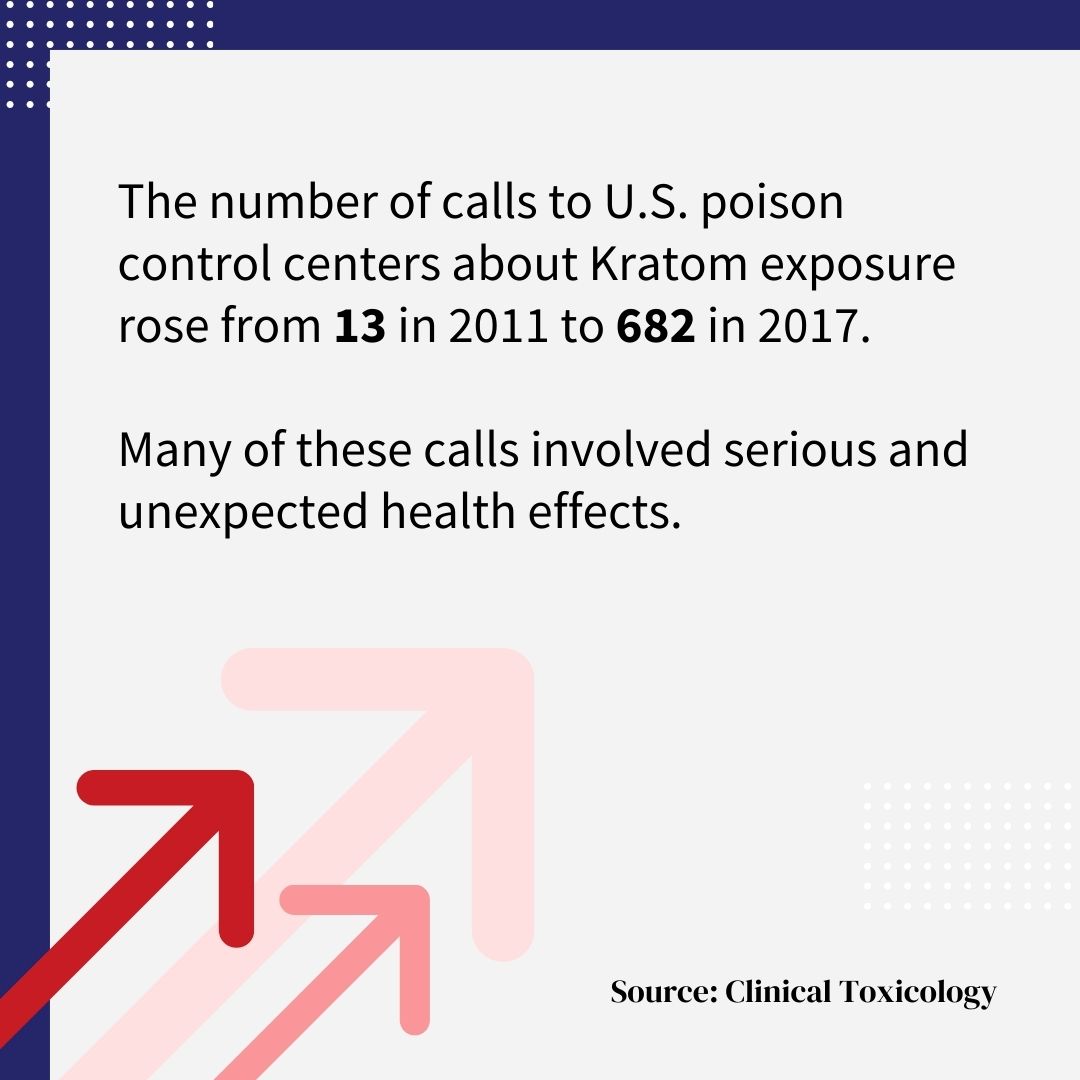
Yes, Kratom can be deadly. It has been linked to a growing number of deaths in the United States. In Florida alone, nearly 600 overdose deaths have involved Kratom, including dozens where Kratom was the only substance.
Even if your loved one had other health issues, you may still have a strong case. Companies often try to blame “underlying conditions,” but if Kratom contributed to the injury or death, it can be held accountable.
Testimonials
When you entrust your claim to Freese & Goss, you gain a partner fiercely dedicated to protecting your rights. Our record of courtroom success shows we go all in for our clients, building strong strategies that push for real results and fair compensation.


Blog Posts
Contact Us
Whether you have questions or need an advocate in your corner, we’re ready to help. Contact us today for a free, no-pressure consultation